The Reality Check:
Most first-year firefighters imagine constant fireline action. The reality is that most of your season is routine, slow, and repetitive, with short bursts of intense work. You will not fight active fire every day. This is the normal "buy-in" to wildland fire. Every Hotshot, Smokejumper, and Rappeller started right here.
1. Where the Time Goes
When you aren't on an active fire, your time is split between the district station and projects on your forest.
Station Time: Includes PT, chores, equipment maintenance, training, and waiting for Initial Attack (IA), patrolling. If you’re extended, expect some downtime.
Project Work: Thinning, piling, fuels reduction, burn prep, and trail work. (whatever your forest needs done)
On-Fire Tasks: Mop-up (hotspots, patrol, cold trailing) is where most rookies spend their time.
2. Fire Assignments: Engine vs. Handcrew
Engines: IA typically mean sleeping spiked out. You might have one day of digging line followed by several days of mop-up. In slow seasons, you may barely leave the district.
Handcrews: Expect heavy, repetitive workloads. It is common to spend a 5–14 day roll without seeing active flame. You will likely like in spike camps with no showers.
3. A Typical Day (Rough Timeline)
04:30 – 07:00: Wake up, breakfast, and gear pack.
07:00 – 09:00: Briefing, assignments, and safety specs.
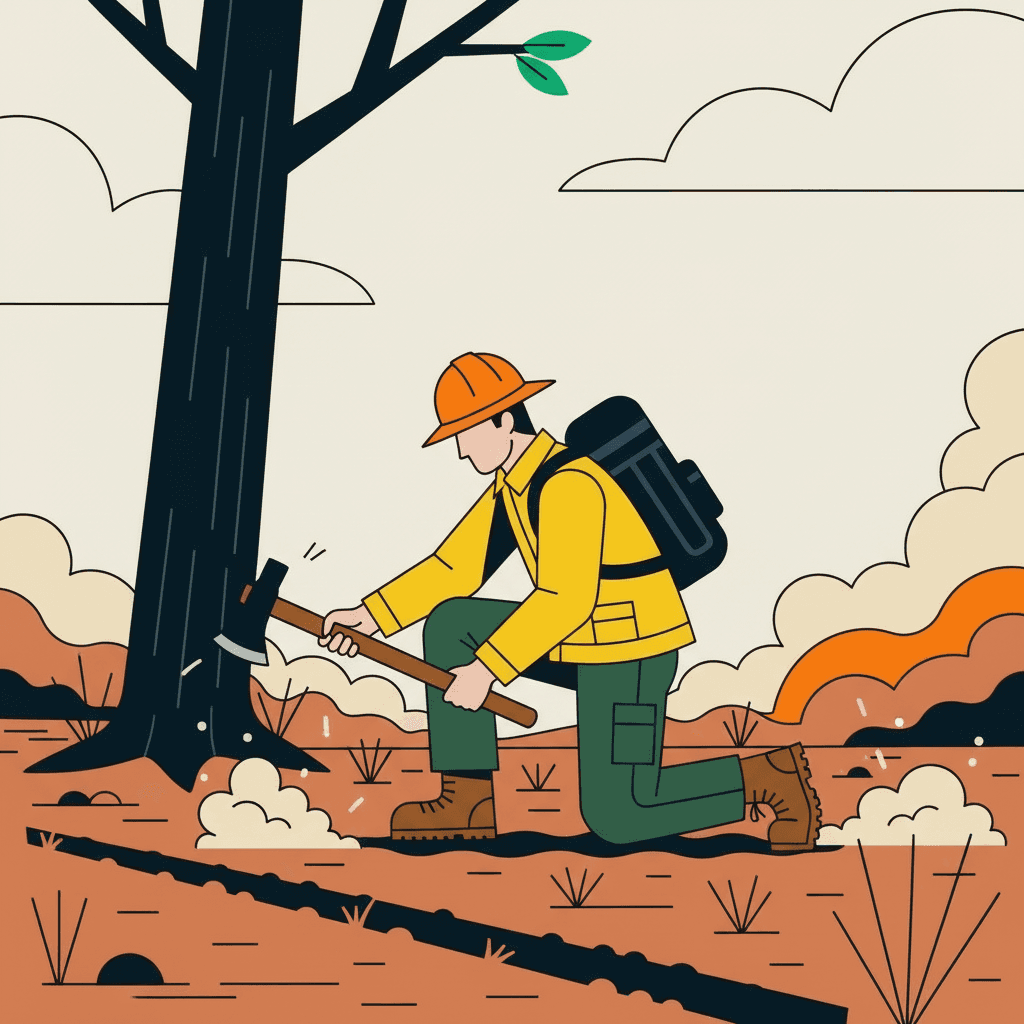
09:00 – 18:00+: On Shift. Hiking, digging line, mop-up, patrol, saw work, or burn holding.
The Clock: Some days are standard 8–10 hour shifts; others will exceed 16 hours. Breaks happen when supervisors call them.
4. Exposure and Risk
Smoke & Dust: Mop-up is the worst for exposure. You will be digging smoking stumps and ash pits in dusty environments. If you have lung issues or asthma, this job will be a significant challenge.
Common Injuries: Expect blisters, ankle sprains, heat cramps, dehydration, and poison oak. You will be trained in LCES, the 10 & 18, and risk management to mitigate these hazards.
5. Fire Camp Life
Sleeping: Large camps are "tent cities." Spike camps are just dirt and zero amenities. Showers often don't exist when you're spiked. Camps can have showers.
Food: Catered meals in large camps can be hit or miss. Expect breakfast dinner and a bagged lunch from large camps. In spike camps, expect MREs or crew-prepped meals.
6. The "Buy-In" Phase
Rookies often expect constant helicopters and flames. The reality is slow days of waiting followed by exhausting work. This phase earns you the credibility needed for elite roles (Hotshots, Rappel, Smokejumpers). You are learning:
Fireline construction and mop-up standards.
Radio communication and tool care.
Crew dynamics and high-tempo operations.
7. Compensation (Federal Entry-Level GW-3/4)
Base: ~$20–$22/hr | OT: ~$31–$33/hr.
Hazard/IPP: +25% during eligible incidents or hazards.
Seasonal Take-Home Estimates:
Slow/Average Season: $20k – $30k
Moderate Season: $35k – $50k.
Busy Season/Hotshot: $55k – $65k+ (Not typical for a first year).
Final Advice for New Firefighters
Be early, quiet, and reliable.
Learn from the vets and ask questions at the right time.
Take care of your feet and stay in shape.
Don’t chase the image. Chase competence.